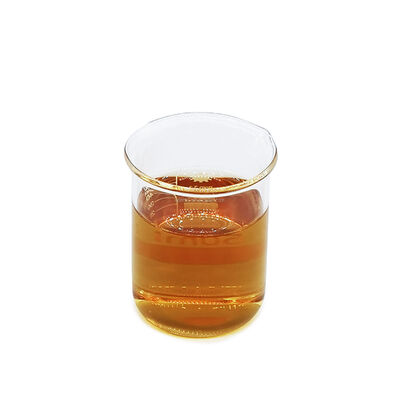
| 브랜드 이름: | Convertzyme 260D |
The Pulp and Paper Enzymes are specially formulated biocatalysts designed to enhance the efficiency and quality of the pulp and paper manufacturing process. Available in both powder and liquid forms, these enzymes play a crucial role in optimizing various stages of paper production, ensuring superior product performance while promoting environmental sustainability. With a shelf life ranging from 6 to 12 months, these enzymes maintain their activity and effectiveness over an extended period, providing manufacturers with reliable and consistent results.
One of the standout features of this product is its optimal pH range of 6.0 to 9.0, which makes it compatible with a wide array of pulp and paper processing conditions. This adaptability allows the enzymes to function efficiently in different operational environments, thereby enhancing their versatility and utility in the industry. The product is registered under the European Inventory of Existing Commercial Chemical Substances (EINECS) with the number 232-800-2, ensuring it meets stringent regulatory requirements and quality standards.
A key highlight of the Pulp and Paper Enzymes is their ability to significantly reduce chemical usage during the paper production process. Traditional methods often rely heavily on chemicals that can be costly and environmentally damaging. By incorporating these enzymes, manufacturers can minimize their chemical consumption, leading to cost savings and a reduction in harmful effluents. This attribute aligns with the growing global emphasis on sustainable and eco-friendly industrial practices.
In addition to reducing chemical usage, these enzymes improve the brightness and strength of the final paper products. The enhancement in brightness contributes to a more visually appealing and high-quality paper, which is essential for various applications ranging from printing to packaging. The improvement in strength ensures better durability and performance of the paper, making it suitable for demanding uses without compromising on quality.
The environmental benefits of using Pulp and Paper Enzymes cannot be overstated. As a surface sizing enzyme, it facilitates the modification of paper surfaces at a molecular level, promoting better fiber bonding and surface properties without the need for harsh chemicals. This environmentally friendly approach not only reduces the ecological footprint of paper manufacturing but also supports industry efforts towards greener production methods.
Specifically, the product serves as a highly effective surface sizing enzyme, which is critical in enhancing the surface characteristics of paper. By improving surface sizing, the enzyme aids in achieving better printability, water resistance, and overall paper quality. The repeated mention of surface sizing enzyme emphasizes its pivotal role in the product’s functionality and its importance in the pulp and paper sector.
Manufacturers seeking to adopt innovative and sustainable solutions will find that these Pulp and Paper Enzymes offer a comprehensive package of benefits. From operational cost savings and enhanced product quality to compliance with environmental standards, the enzymes represent a strategic investment in modernizing paper production. Whether used in powder or liquid form, they provide flexibility to meet specific processing needs and preferences.
In conclusion, the Pulp and Paper Enzymes with a shelf life of 6 to 12 months, pH range of 6.0 to 9.0, and EINECS No. 232-800-2 are indispensable tools for the pulp and paper industry. Their ability to reduce chemical usage, improve brightness and strength, and act as an environmentally friendly surface sizing enzyme makes them a preferred choice for manufacturers committed to quality and sustainability. By integrating these enzymes into their processes, businesses can achieve superior paper products while contributing to a healthier planet.
| Product Name | Pulp And Paper Enzymes |
| Classification | Feed Enzyme |
| Type | Powder/Liquid |
| Density | 1.0-1.3g/ml (Liquid) |
| Appearance | Light Brown Liquid |
| Optimal pH | 4.5 - 7.5 |
| pH Range | 6.0 - 9.0 |
| Function | Bleaching, Deinking, Fiber Modification, Pitch Control, And Drainage Improvement |
| Dosage | Varies Depending On Application, Typically 0.1% - 1% By Weight Of Pulp |
| Benefits | Reduces Chemical Usage, Improves Brightness And Strength, Environmentally Friendly |
| Description | Pulp And Paper Enzymes are a surface sizing enzyme designed to enhance paper production efficiency. As a surface sizing enzyme, this product improves fiber bonding and paper strength while reducing chemical usage. This surface sizing enzyme is environmentally friendly, making it an excellent choice for sustainable paper manufacturing. |
Convertzyme 260D is a versatile pulp and paper enzyme available in both powder and liquid forms, with a density ranging from 1.0 to 1.3 g/ml for the liquid variant. With a high purity level of 99% minimum and registered under Einecs No: 232-800-2, this enzyme formulation is specifically designed to meet the rigorous demands of the pulp and paper industry. Its multifunctional properties make it an essential additive in various production stages, including bleaching, deinking, fiber modification, pitch control, and drainage improvement.
One of the primary application occasions for Convertzyme 260D is in the bleaching process. The enzyme facilitates the removal of lignin and other impurities from pulp, enhancing the brightness and quality of the final paper product. This enzymatic bleaching method is environmentally friendly and efficient, reducing the need for harsh chemicals. Additionally, in deinking operations, Convertzyme 260D plays a critical role in breaking down ink particles from recycled paper fibers, improving the cleanliness and recyclability of paper stock.
Fiber modification is another significant scenario where Convertzyme 260D proves invaluable. By selectively modifying the fiber surface, the enzyme improves fiber bonding, resulting in stronger, smoother, and higher quality paper. This modification also aids in optimizing the paper’s texture and printability. The product’s pitch control function is particularly beneficial during pulp processing, where it helps prevent pitch deposits that can cause machine downtime and defects in paper sheets, ensuring smooth production runs.
Drainage improvement is a crucial stage in paper manufacturing, and Convertzyme 260D enhances water removal from the pulp slurry, leading to faster drying times and increased production efficiency. The enzyme’s efficiency in drainage also contributes to energy savings and improved machine performance. Moreover, Convertzyme 260D acts as a reliable surface sizing enzyme, enhancing the surface strength and water resistance of paper products. Its repeated mention as a surface sizing enzyme highlights its importance in improving surface properties, which is critical for producing high-quality paper suitable for printing and packaging applications.
In summary, Convertzyme 260D serves multiple application occasions and scenarios within the pulp and paper industry. Its role as a surface sizing enzyme, combined with its bleaching, deinking, fiber modification, pitch control, and drainage improvement functions, makes it an indispensable product for manufacturers aiming to enhance paper quality, optimize production, and reduce environmental impact.
Our Pulp And Paper Enzymes, branded as Convertzyme 260D, are available in both powder and light brown liquid forms with a purity of 99% minimum. We offer product customization services to tailor the enzymes to your specific needs, including adjustments in concentration and formulation to optimize performance for bleaching, deinking, fiber modification, pitch control, and drainage improvement. Whether you require the enzyme for surface sizing enzyme applications or other specialized uses, we ensure the highest quality and consistency. Our customization options make Convertzyme 260D an ideal choice for enhancing the efficiency of your pulp and paper processes, especially when targeting surface sizing enzyme functionalities.
Our Pulp and Paper Enzymes are designed to enhance the efficiency and sustainability of your pulp and paper production processes. These enzymes help in improving pulp quality, reducing chemical usage, and minimizing environmental impact.
For optimal results, it is important to use the enzymes under recommended conditions, including proper pH, temperature, and dosage as specified in the product guidelines. Our technical support team is available to assist you with enzyme selection, process optimization, and troubleshooting to ensure maximum performance.
We provide detailed application protocols and best practice recommendations to help you integrate our enzymes seamlessly into your production line. Additionally, we offer training sessions and on-site support to empower your staff with the knowledge needed for effective enzyme use.
Regular monitoring and analysis are encouraged to track the impact of enzyme treatment on pulp quality and process efficiency. Our experts can assist in interpreting results and making necessary adjustments to your process.
For further assistance with Pulp and Paper Enzymes, including customized solutions and technical inquiries, please refer to our comprehensive support resources and service options.
Q1: What is Convertzyme 260D used for?
A1: Convertzyme 260D is an enzyme specifically designed for use in the pulp and paper industry to enhance the breakdown of lignin and improve pulp quality during the bleaching process.
Q2: How do I apply Convertzyme 260D in the pulp production process?
A2: Convertzyme 260D is typically added during the pre-bleaching stage. The enzyme should be mixed with the pulp slurry under controlled temperature and pH conditions recommended by the manufacturer to maximize efficiency.
Q3: What are the optimal conditions for Convertzyme 260D activity?
A3: Convertzyme 260D works best within a temperature range of 45-60°C and a pH range of 5.0 to 7.0. Maintaining these conditions ensures optimal enzyme performance and pulp quality improvement.
Q4: Can Convertzyme 260D help reduce chemical usage in the pulp bleaching process?
A4: Yes, using Convertzyme 260D can reduce the need for harsh chemicals in bleaching by partially breaking down lignin enzymatically, resulting in a more environmentally friendly and cost-effective process.
Q5: Is Convertzyme 260D compatible with other enzymes or chemicals used in pulp processing?
A5: Convertzyme 260D is generally compatible with other enzymes and common chemicals used in pulp and paper production, but it is recommended to conduct small-scale trials to ensure compatibility and optimal results.